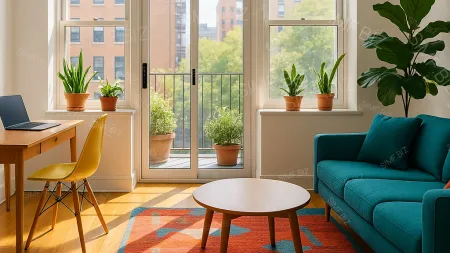
For years, apartment hunters often divided properties into two simple categories: older buildings and newer buildings. New construction was frequently viewed as the better option, while older buildings were seen as compromises. In 2026, that mindset continues to shift.
Many renters are discovering that neighborhood quality can have a much greater impact on daily life than the age of the building itself.
A modern apartment with high-end finishes may initially look impressive, but renters are increasingly evaluating what surrounds the building. Walkability, transportation access, safety, local services, and overall atmosphere now play a major role in apartment decisions.
One reason for this trend is the growing importance of convenience. Renters want easy access to grocery stores, cafés, pharmacies, parks, and public transportation. An apartment that saves time every day can often provide more value than upgraded countertops or luxury finishes.
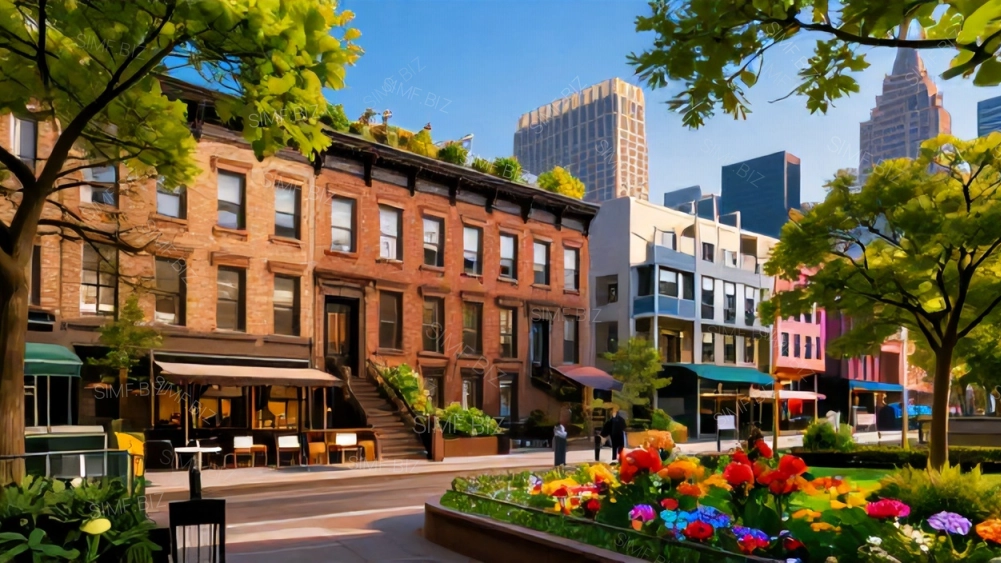
Green space has also become a stronger priority. Neighborhoods with well-maintained parks, tree-lined streets, and outdoor gathering areas continue to attract attention. Access to outdoor environments contributes to quality of life and can make even smaller apartments feel more comfortable.
Transit access remains one of the most important factors. Apartments near reliable transportation often maintain strong demand regardless of building age. Many renters prefer a shorter commute over additional amenities that they rarely use.
Another interesting development is the growing appreciation for character. Older buildings frequently offer unique layouts, larger rooms, higher ceilings, and architectural details that are difficult to find in modern construction. When these buildings are located in desirable neighborhoods, they often remain highly competitive.
Neighborhood stability also matters. Renters increasingly research local businesses, street activity, cleanliness, and long-term development patterns. A neighborhood that feels established and vibrant can be more appealing than a newer building in a less convenient location.
Technology has made comparison easier than ever. Platforms such as SIMF Real Estate Platform allow renters to evaluate apartments across multiple neighborhoods while considering factors beyond the unit itself. Since browsing and listing apartments is free at https://simf.biz/, renters can compare location advantages and discover opportunities they might otherwise overlook.
As the NYC rental market continues to evolve, the surrounding environment is becoming just as important as the apartment itself. Building age still matters, but for many renters, neighborhood quality has become the deciding factor.
The future of apartment searching may be less about finding the newest building and more about finding the right place to live every day.

 English (US)
 Spanish