Jul 4, 2026
Market news
154
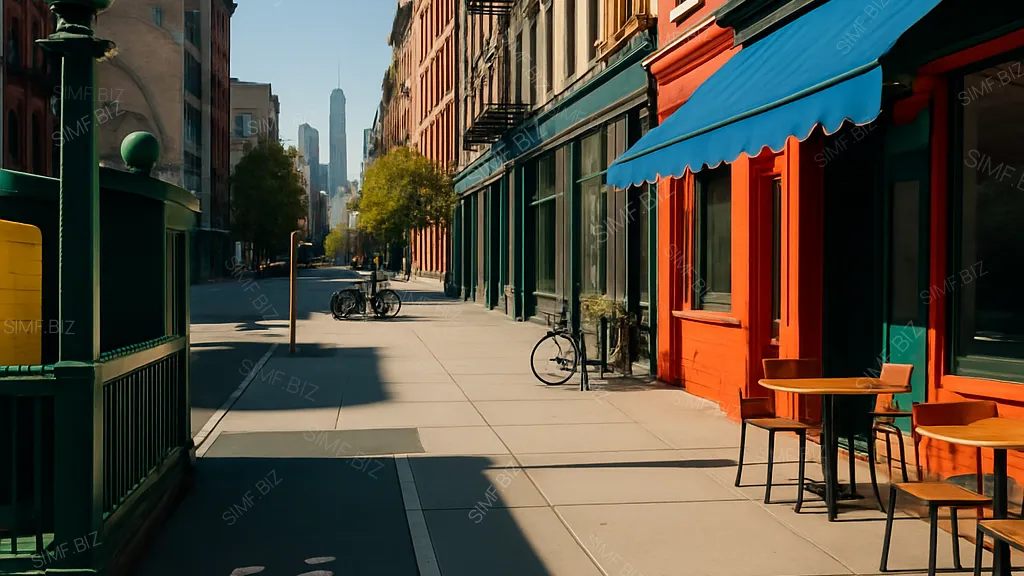
In dense markets like New York City, the difference between a good rental and a great one often comes down to micro-location — the block, corner store, transit stop, light patterns, and weekend noise. Understanding these small-scale factors helps renters find homes that fit daily life and helps landlords position listings to attract the right tenants and justify rents.
What "micro-location" means
Micro-location refers to hyperlocal characteristics within walking distance of a property: nearest subway exits, bus stops, grocery and pharmacy options, daylight on the apartment at certain hours, corner noise sources, short-term construction plans, and the pattern of foot traffic. These details shape everyday living more than borough-level trends.
Quick checklist for renters: vet a unit like a neighbor
- Visit at different times: Check mornings, evenings, and weekend days to assess noise, sunlight, and transit crowding.
- Transit walk test: Time the walk to your nearest subway or bus stop. Factor in stairs, transfers, and elevator wait times at busy nodes.
- Amenities within 5–10 minutes: Note grocery stores, pharmacies, parks, laundromats, and bike infrastructure. Convenience adds real monthly value.
- Street-level activity: Look for late-night bars, delivery truck parking, or school drop-off congestion. These affect sleep and entry/exit times.
- Safety signals: Observe lighting, crosswalk conditions, and how the area feels after dark. Ask neighbors about seasonal concerns.
- Future changes: Check visible construction and vacant lots. New developments can mean more amenities or more disruption.
Actionable tips for landlords: highlight micro-location advantages
- Map your strengths: In listings, emphasize the closest transit exit, weekend farmer's market, or 24-hour supermarket rather than generic neighborhood names.
- Set rents using comparable micro-markets: Compare units on the same block or nearby blocks, not just the whole neighborhood. Small differences can justify premium or discounting.
- Mitigate negatives: If near a noisy corner, offer sound-dampening improvements, staggered showings, or flexible lease terms to attract privacy-minded renters.
- Offer experiential details: Share photos of sunlight angles, views, and nearby green space. Tenants respond to tangible daily-life cues.
- Leverage timing: List strategically around local events or seasonal demand spikes when micro-location perks shine (e.g., near parade routes, summer festivals, or school semester starts).
How to use micro-data without getting overwhelmed
Not every factor matters equally. Prioritize based on lifestyle: a remote worker values quiet and reliable internet; a daily commuter values the exact subway exit and transfer times. Use a short rubric when evaluating properties:
- Core access (transit + groceries): Pass/Fail
- Daily comfort (noise, light, cleanliness): 1–5 score
- Long-term upside (planned development, local investment): Low/Medium/High
Combine these scores to make a balanced decision or to set a competitive rent as a landlord.
Using SIMF.BIZ effectively for micro-location search
SIMF.BIZ can help focus on the micro-details that matter. When searching or creating a listing, use filters and descriptions that call out closest transit exits, walking times to key amenities, sunlight orientation, and typical noise levels. For landlords, add clear photos of the street-facing view, nearby storefronts, and any building-specific perks (package rooms, bike storage). For renters, save searches focused on walking-time radiuses and set alerts for units that meet your micro-location rubric.
Bottom line: In NYC and similar dense markets, neighborhood labels are only the start. Look at the block, the walk, the hours, and the small conveniences — those micro-location factors often determine long-term satisfaction and the true market value of a rental.

 English (US)
 Spanish