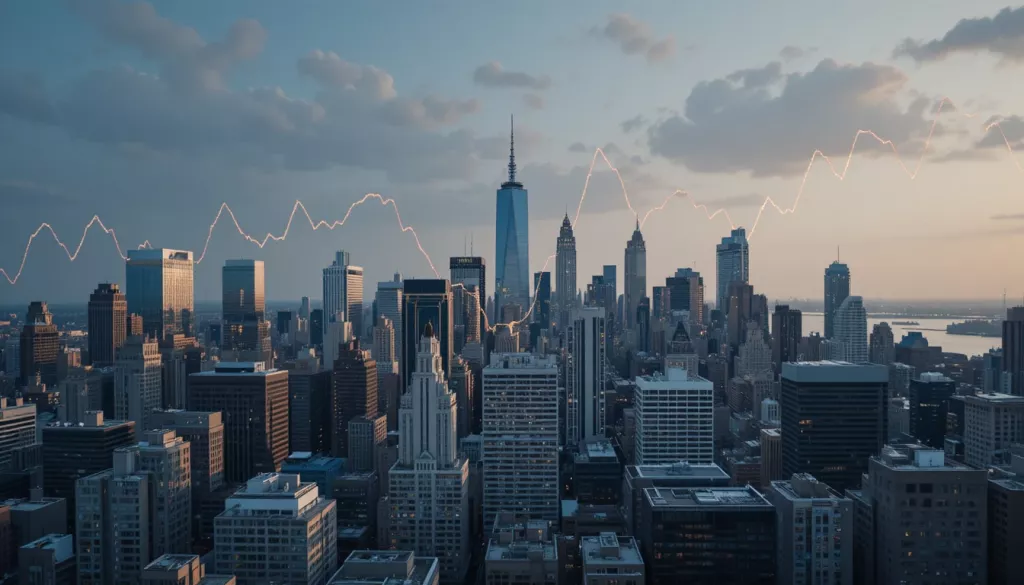
The U.S. rental market is entering 2026 with stronger-than-expected momentum. After a relatively calm end to 2025, major metro areas including New York, Miami, Denver, Seattle, and Atlanta are reporting a noticeable uptick in renter activity.
This rise is surprising analysts, who initially predicted a slower start due to economic uncertainty and seasonal trends.
So what is driving this new wave of demand? Several emerging factors help explain the shift.
After two years of rapid increases, rental prices across many cities have finally stabilized.
This stability has boosted renter confidence:
Fewer drastic price spikes
More predictable monthly costs
Better availability across popular neighborhoods
Renters who paused their search in late 2025 — waiting for clarity — are now re-entering the market.
Many companies slowed hiring at the end of 2025, but early 2026 shows a noticeable recovery.
Industries leading the trend include:
Healthcare
Finance
Technology
Education
As relocation packages return and hybrid teams expand, more professionals are moving between states, increasing demand for mid- and long-term rentals.
Developers completed a large volume of projects at the end of 2025.
This added thousands of new units to the rental supply in cities such as:
Austin
Chicago
Philadelphia
Charlotte
Las Vegas
The increased supply helps balance the market and gives renters more flexibility, especially in neighborhoods that previously had limited options.
While the shift to remote work has stabilized, many companies now offer permanent hybrid models.
This leads to new renting patterns:
Demand spreads into outer-city neighborhoods
Renters prioritize commute options only 2–3 days per week
Larger units gain popularity due to home office needs
The result is a more distributed demand map compared to pre-2020 patterns.
Platforms like SIMF.BIZ — offering free listings, open contacts, and fully visible communication channels — help renters move faster and with more confidence.
When information is transparent and accessible, the decision-making process becomes smoother.
This shift in platform behavior across the industry contributes to increased activity and quicker leasing cycles.
Market experts anticipate that:
Demand will remain high through early spring
Prices will stay relatively stable
Newly added inventory will keep competition balanced
Renters will continue exploring a wider range of neighborhoods
While no major price spikes are expected in Q1 2026, strong activity suggests that the rental market is far from slowing down.
The surge in renter activity at the start of 2026 signals a healthier, more balanced rental landscape. With stable prices, improved transparency, and increased inventory, renters have more opportunities — and more confidence — than they’ve had in years.
It’s a promising start to what could become one of the most dynamic rental seasons in recent memory.

 English (US)
 Spanish