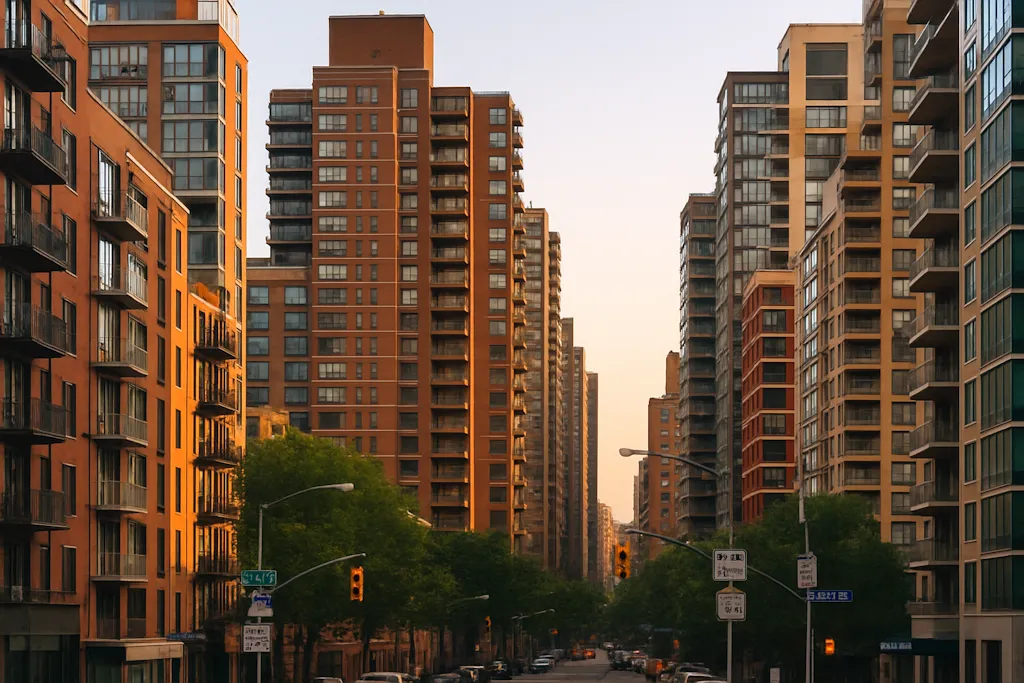
The U.S. rental market is experiencing renewed pressure as demand surges in major metropolitan areas. After a brief period of stabilization, vacancy rates are tightening, and monthly rents are rising across several key cities.
1. Rents Are Climbing Faster Than Expected
Market analysts report that rental prices have increased in many high-demand regions, including New York, Miami, Boston, Denver, and Seattle.
– Limited inventory is giving landlords leverage.
– Popular neighborhoods are seeing rapid turnover.
– Affordable units are disappearing from the market within days.
This trend is especially strong in cities with growing tech and healthcare sectors.
2. Vacancy Rates Hit Multi-Year Lows
A sharp decline in vacant rental units has been documented across multiple states.
– Downtown districts have rebounded as workers return to offices.
– University-adjacent neighborhoods are experiencing full occupancy.
– Suburban rentals remain competitive due to remote and hybrid work models.
Experts warn that tight vacancy rates could continue through the rest of the year.
3. Young Professionals Are Driving Demand
Millennials and Gen Z renters account for a significant share of new leases.
– Many prefer renting over buying due to high home prices.
– Flexibility remains a top priority for job changers.
– New graduates are moving to cities with strong labor markets.
This influx is reshaping demand patterns across urban cores.
4. Investors Return to the Multifamily Market
Investment activity in apartment complexes is increasing again.
– High occupancy rates appeal to institutional investors.
– Renovations and value-add upgrades are becoming common strategies.
– Smaller investors are purchasing duplexes and triplexes for rental income.
As demand grows, investors see long-term stability in the rental sector.
5. Remote Workers Are Competing for Suburban Rentals
Hybrid and remote work trends continue to influence rental patterns.
– Suburban areas with good schools and quiet streets are in high demand.
– Single-family homes for rent have some of the lowest vacancy rates nationwide.
– Renters are willing to commute farther if the home offers more space.
This shift is creating a two-tier rental market: urban apartments and suburban houses.
6. Outlook: Higher Rents Likely to Continue
Most analysts expect rental prices to remain elevated for several months:
– Supply challenges persist as construction slows.
– Strong job growth keeps demand steady.
– First-time homebuyers are staying in the rental market longer.
Unless new inventory is added, renters may face continued competition and rising monthly costs.

 English (US)
 Spanish