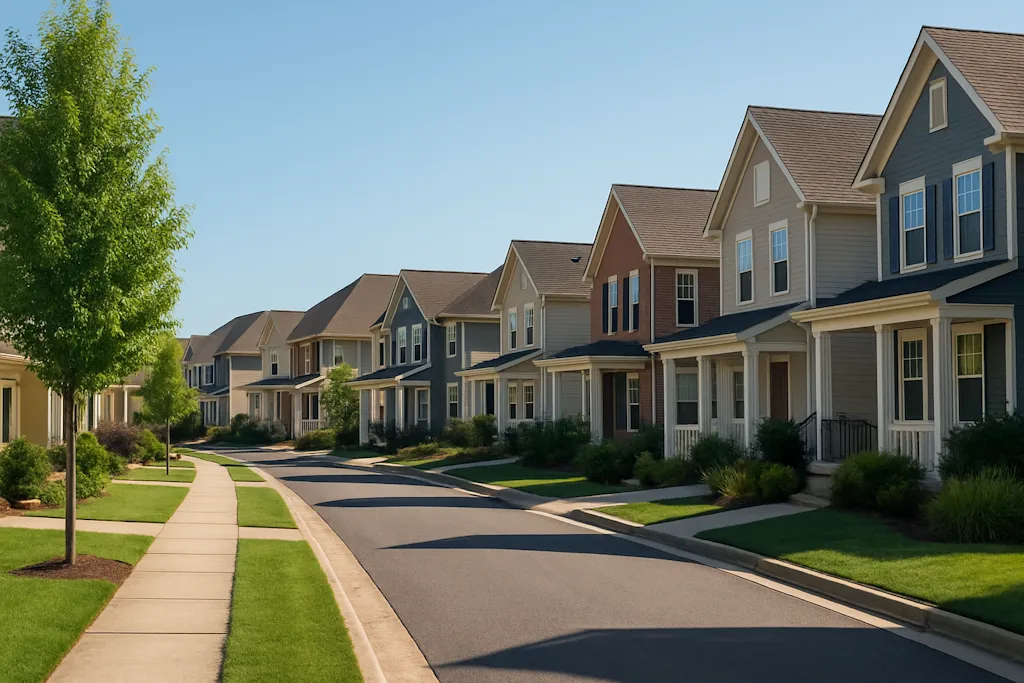
A growing number of homebuyers in the United States are shifting their focus from major metropolitan areas to smaller cities, seeking affordability, lower competition, and a more relaxed pace of life. This trend is gaining momentum as buyers search for markets where their budgets stretch further and opportunities for homeownership are more accessible.
1. Lower Prices Attract Budget-Conscious Buyers
Smaller cities such as Boise, Knoxville, Columbus, and Des Moines are drawing increased interest due to significantly lower home prices compared to major metros.
– Buyers can purchase larger homes for the same budget.
– Lower property taxes and utility costs add long-term savings.
– Investors find more favorable rental yields in these markets.
This makes smaller cities especially appealing for first-time homebuyers.
2. Competition Is More Manageable Outside Big Metros
While major cities still experience bidding wars, smaller markets offer a calmer pace.
– Homes stay on the market longer.
– Buyers have time to compare options.
– Fewer all-cash offers reduce pressure.
This environment provides a more balanced experience for those seeking stability.
3. Remote Work Expands Location Options
Remote and hybrid work models allow buyers to consider cities that were previously impractical.
– Tech and corporate workers are moving to more affordable regions.
– Many buyers prioritize space, quiet neighborhoods, and home office potential.
– Suburban areas in smaller cities are gaining popularity.
As flexibility increases, the geographic barriers to homeownership continue to fall.
4. Infrastructure Improvements Boost Appeal
Many smaller cities are investing in infrastructure to support growing populations.
– New roads, schools, and healthcare facilities
– Mixed-use developments with modern amenities
– Expanded broadband access for remote workers
These upgrades improve quality of life and support long-term growth.
5. Local Economies Are Strengthening
Job markets in smaller cities are becoming more diverse.
– Healthcare, education, logistics, and tech industries are expanding.
– More employers offer remote-friendly positions.
– Small business growth is contributing to economic stability.
This contributes to a healthier and more sustainable housing market.
6. Outlook: Smaller Cities May Continue to Outperform
Analysts expect the popularity of smaller cities to remain strong:
– Affordability challenges persist in large metros.
– Migration trends continue favoring mid-sized regions.
– Local governments are actively supporting development.
As a result, smaller cities may see long-term appreciation and increased demand from both buyers and investors.

 English (US)
 Spanish