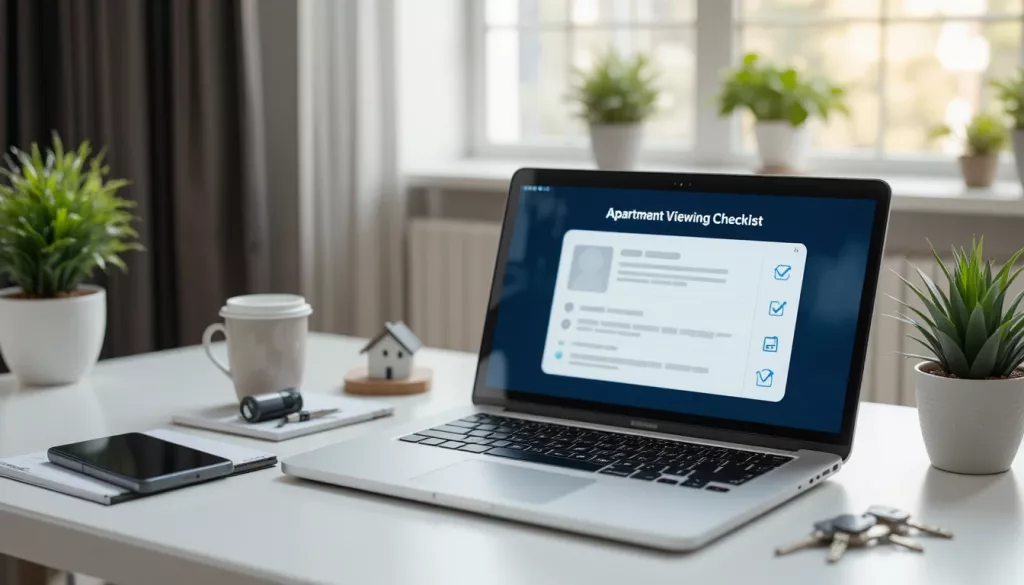
In New York City, apartment tours are often short, competitive, and decision-driven. You may have only 10–15 minutes to evaluate a place — and sometimes you’re expected to decide the same day.
Being prepared helps you avoid mistakes, ask the right questions, and move forward with confidence.
This guide breaks down what to bring and what to ask during an apartment tour in NYC.
Your phone is your main tool. Use it to:
Take photos or short videos
Check cell reception
Test internet speed (if possible)
Look up nearby stores or subway access
Always ask permission before taking photos.
After seeing multiple apartments, details blur together.
Write down:
Pros and cons
Noise level
Natural light
Condition issues
Your first impression
This makes comparison much easier later.
If you have large furniture, bring:
Room measurements from the listing
Approximate sizes of your bed, couch, or desk
NYC apartments can feel very different in person than in photos.
You usually don’t need to submit documents at the tour, but having them ready helps you move fast if you like the apartment.
Prepare a digital folder with:
Photo ID
Pay stubs
Employment letter
Bank statements
Credit report (if available)
Guarantor info (if needed)
Speed matters in NYC.
Look at:
Window size and direction
How much light enters the room
Obstructions (walls, buildings, fire escapes)
Light can change the entire feel of an apartment.
Listen carefully:
Street noise
Neighbors
Building systems (elevators, HVAC)
Open windows briefly to understand outside sound.
If allowed, test:
Shower pressure
Sink faucets
Toilet flush
These small details affect daily comfort.
Closets in NYC can be small.
Check:
Depth and height
Built-in storage
Space for seasonal items
Pay attention to:
Hallways and stairwells
Laundry room condition
Trash and recycling areas
Mail and package storage
These reflect how the building is maintained.
Ask clearly:
Monthly rent
Security deposit amount
Broker fee or no-fee status
Application fee
Utilities included or not
Never assume — always confirm.
Important questions:
Lease length (12 months, flexible?)
Renewal policy
Typical rent increases
Sublet or roommate rules
Ask:
How repairs are requested
Typical response time
Emergency contact process
Fast maintenance matters.
Clarify:
Earliest move-in date
Elevator reservations
Move-in fees
Building rules for moving day
Ask:
Internet providers available
Average utility costs
Heating and cooling type
These affect monthly expenses more than many renters expect.
Before leaving, ask:
What documents are required
Approval timeline
How many applicants are being considered
When a decision will be made
This helps you plan next steps.
Don’t rush — even if the market is competitive
Ask questions politely but directly
Take notes immediately after the tour
Trust your instincts
A good apartment should feel right and make sense on paper.

 English (US)
 Spanish