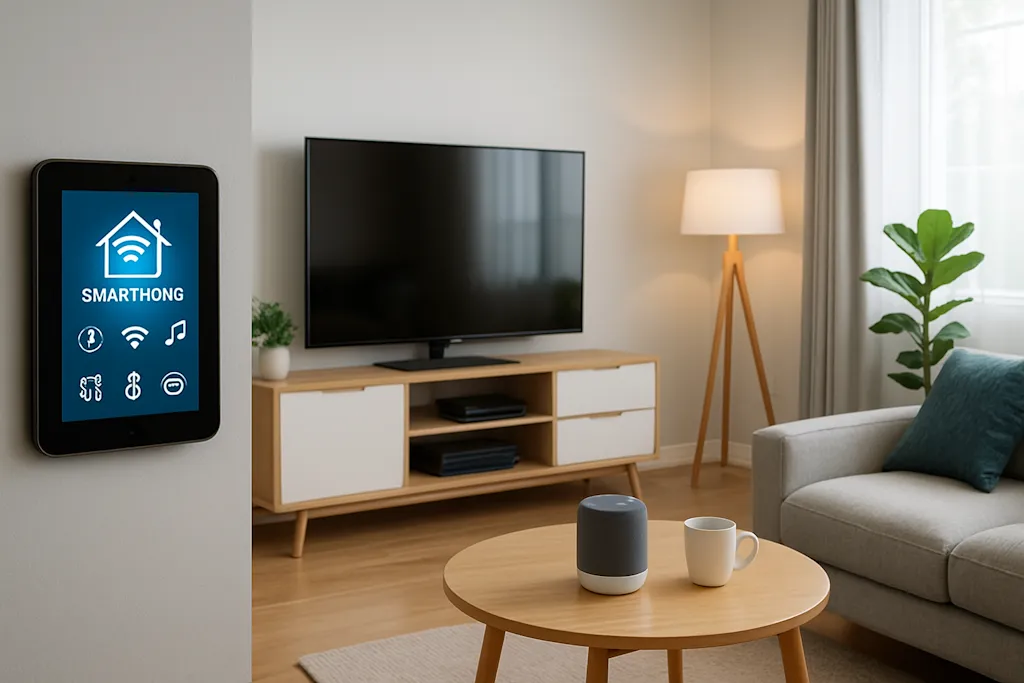
Smart home technology is no longer a luxury reserved for high-end buyers — it has become a mainstream expectation across the U.S. housing market. From energy-efficient systems to advanced home security, technology is transforming the way Americans interact with their homes, and the demand for “connected living” is only growing.
1. Smart Security Is Leading the Trend
Security is the most popular entry point into smart home technology.
– Video doorbells
– Motion-activated outdoor cameras
– Smart locks
– Alarm systems controlled through apps
Buyers appreciate the convenience and safety of monitoring their homes remotely, especially those who travel or work long hours. These systems add perceived value and often influence the final buying decision.
2. Energy Efficiency Drives Savings and Sustainability
Smart thermostats, automated lighting, and advanced HVAC systems are helping homeowners lower utility bills and reduce environmental impact. Devices like programmable thermostats can adjust temperature based on daily patterns, saving money without sacrificing comfort.
In many states, energy-efficient upgrades also qualify for rebates, making them even more attractive to buyers.
3. Voice Assistants Become Central Home Hubs
Voice-controlled assistants — such as Alexa, Google Assistant, and Siri — have turned into digital home managers.
They now control:
– Lighting
– Music and media
– Home reminders
– Appliance automation
– Indoor temperature
– Even garage doors
As more devices become compatible, the ecosystem of connected living continues to expand.
4. Smart Appliances Are Changing Daily Routines
Modern appliances now come with built-in connectivity and automation:
– Refrigerators track expiration dates
– Ovens can preheat remotely
– Washers and dryers notify you when cycles finish
– Vacuum robots clean while you're away
These features provide convenience and save time, appealing especially to busy professionals and families.
5. Real Estate Listings Highlight Smart Features
Sellers increasingly include smart devices as selling points, and buyers see them as valuable add-ons.
Listings now often highlight:
– Smart thermostats
– Solar panels
– EV charging stations
– Smart irrigation for lawns
– Whole-home Wi-Fi optimization
Homes with integrated systems often sell faster and may command higher prices.
6. Challenges: Privacy and Compatibility
Despite the benefits, smart homes bring two concerns:
– Privacy risks: Devices collect data that some homeowners find sensitive.
– Compatibility issues: Not all devices work seamlessly across platforms.
However, manufacturers are investing heavily in security and universal standards, reducing friction over time.
7. What the Future Holds
Experts predict that smart homes will soon move from optional upgrades to standard housing features. New construction projects already include built-in wiring, control panels, and pre-installed devices. As demand grows, the market will shift toward fully integrated systems that manage every aspect of home life.
The technology-driven home is no longer just a trend — it is the future of American housing.

 English (US)
 Spanish