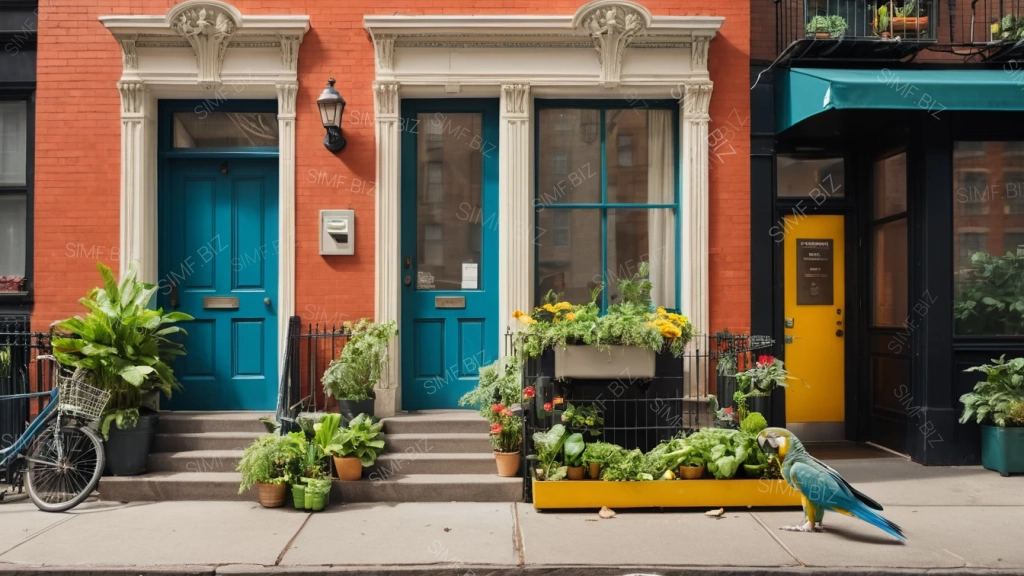
Finding a long-term apartment in New York City rarely happens overnight. Many renters need a temporary place to stay while touring apartments, submitting applications, and waiting for approvals. Choosing the right short-term option can reduce stress, save money, and give you flexibility during the search.
Below are the most common temporary housing options in NYC — with pros, cons, and when each one makes sense.
Short-term rentals are one of the most popular choices for newcomers and relocations.
Why people choose them:
furnished and move-in ready
flexible length of stay
utilities often included
Things to consider:
usually more expensive than long-term rent
availability varies by neighborhood
rules can differ by building
Best for renters who want privacy and time to explore neighborhoods without pressure.
Renting a room in an existing apartment is a common NYC solution.
Advantages:
lower cost than full apartments
quicker approval process
built-in local knowledge from roommates
Potential downsides:
limited privacy
shared rules and schedules
less control over lease terms
Ideal if you’re comfortable sharing space and want a fast, affordable base while searching.
Extended-stay hotels offer flexibility with fewer commitments.
Why they work:
no long-term contract
housekeeping and utilities included
easy check-in and check-out
What to watch out for:
higher monthly cost
limited space
less “home-like” feeling
Good for short stays when timing is uncertain or paperwork is still in progress.
Sublets allow you to temporarily take over someone else’s apartment.
Benefits:
real apartment experience
often furnished
flexible move-in dates
Risks to manage:
confirm the arrangement is allowed
clarify length and responsibilities
get terms in writing
Sublets work well for renters who want to live like a local before committing long-term.
If you have local connections, this can be the easiest option.
Pros:
minimal cost
flexible timing
trusted environment
Cons:
limited independence
unclear boundaries if stay extends
not always available
Best as a very short-term bridge while you finalize plans.
Some companies provide or recommend temporary housing.
Why it’s useful:
designed for short stays
furnished and serviced
predictable setup
This option works well for work-related relocations or contract-based moves.
Ask yourself:
How long will my search realistically take?
Do I need privacy or flexibility?
Is location or cost more important right now?
Choosing temporary housing that’s close to transit can save hours during apartment viewings.
Temporary housing isn’t a setback — it’s a strategy. In NYC, having a flexible base allows you to move fast when the right apartment appears, without rushing into the wrong lease. The goal isn’t perfection, but comfort, access, and time to make the right decision.

 English (US)
 Spanish