Smart Rentals: Which In-Apartment Tech Features Add Real Value for NYC Renters and Landlords

Smart Rentals: Which In-Apartment Tech Features Add Real Value for NYC Renters and Landlords
SIMF.BIZ
Aug 28, 2026 Insights 4

Technology is no longer a luxury in Manhattan and Brooklyn rentals — it's a differentiator. But not every gadget delivers equal value. This guide explains which in-apartment tech features actually matter to NYC renters and landlords, how they impact cost and convenience, and practical steps for evaluating or installing them.

High-impact features renters and landlords should care about

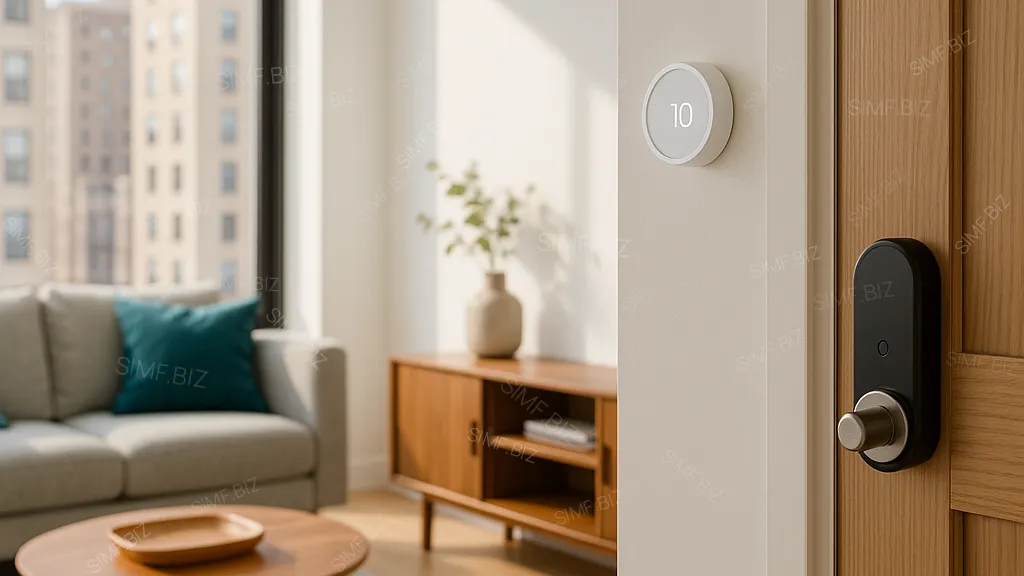
  • Smart locks and keyless entry: Ease of access, guest management, and reduced lockout calls. For landlords: fewer rekeying costs and better turnover logistics when paired with clear access policies.
  • Smart thermostat with zoning: Immediate energy savings and a measurable amenity for listings. Tenants get comfort control; landlords see lower utility variability where they cover heat/cooling.
  • Water leak and freeze detectors: Early detection prevents costly damage — particularly critical in older NYC buildings susceptible to pipe issues.
  • Reliable managed Wi-Fi / mesh systems: Fast, consistent internet is top priority for modern renters. Branded, building-managed Wi‑Fi is a marketable perk.
  • Integrated remote maintenance portals: Tenants can submit and track requests; landlords and managers get structured tickets, photos, and histories, reducing miscommunication.
  • Energy and usage monitoring: Real-time feedback helps tenants cut bills and supports landlords aiming to improve building sustainability metrics.
  • USB/USB-C charging outlets and integrated cabling: Small, inexpensive upgrades that improve day-to-day convenience and perceived modernity.

Why these features matter in NYC

  • Space is tight: Smart features that replace bulky hardware (e.g., integrated controls vs. multiple devices) increase perceived value.
  • Turnover costs are high: Features that speed move-ins and reduce maintenance requests cut operating expenses.
  • Regulation and safety: Early detection devices (water/smoke) reduce risk and can speed claim resolutions with insurers.

Cost vs. ROI — what to expect

  • Smart lock: $150–$400 installed; ROI through reduced rekeying, easier showings, and marketing appeal.
  • Smart thermostat: $100–$300 plus installation; energy savings often offset cost within 1–3 years depending on usage.
  • Leak detectors: $20–$100 each; tiny cost compared to water damage repairs.
  • Managed Wi‑Fi: $200–$1,200+ depending on apartment size and mesh complexity; high tenant satisfaction and lower support calls.

Practical adoption tips

  1. Prioritize safety and durability: Start with detectors and reliable locks before adding aesthetic gadgets.
  2. Standardize across units: Using the same devices simplifies maintenance, replacements, and tenant instructions.
  3. Document responsibility: Clarify in the lease who maintains, replaces, or pays for devices and connectivity.
  4. Protect privacy: Avoid devices that continuously record or transmit personal data without clear consent; provide privacy settings and disclosures.
  5. Offer opt-in tech packages: Let tenants choose a basic unit or a premium, tech-enabled unit (with corresponding rent adjustments).

Questions renters should ask

  • Is the Wi‑Fi building-managed or tenant responsibility?
  • Who controls smart locks and how are guest accesses handled?
  • Are there documented maintenance procedures for smart devices?
  • What happens to smart features at lease end?

How landlords can market smart features effectively

  • Highlight practical benefits (lower bills, safety, convenience) rather than tech jargon.
  • Include clear photos of installed devices and a one-page tech guide in listings and move-in packets.
  • Offer trial periods for premium services (managed Wi‑Fi, climate control plans) to build positive reviews.

Smart features that prioritize safety, reliability, and measurable savings provide the largest return in NYC. Whether you're listing a studio in the East Village or a multi-unit brownstone, focus on straightforward tech that reduces friction for renters and cost for landlords. On platforms like SIMF.BIZ, clearly describing these practical upgrades helps listings stand out and builds trust between renters and owners.

Disclaimer
The articles and market news on this website are provided for general informational and illustrative purposes only. They may include simplified explanations, generalized observations, or speculative commentary. These texts are not factual, not guaranteed to be accurate or up-to-date, and should not be used as the basis for financial, investment, or real estate decisions. Readers are encouraged to verify information independently and consult qualified professionals before making any decisions.
Sponsored
Ad
Ad banner
Place your ad
AI Listing Assistant