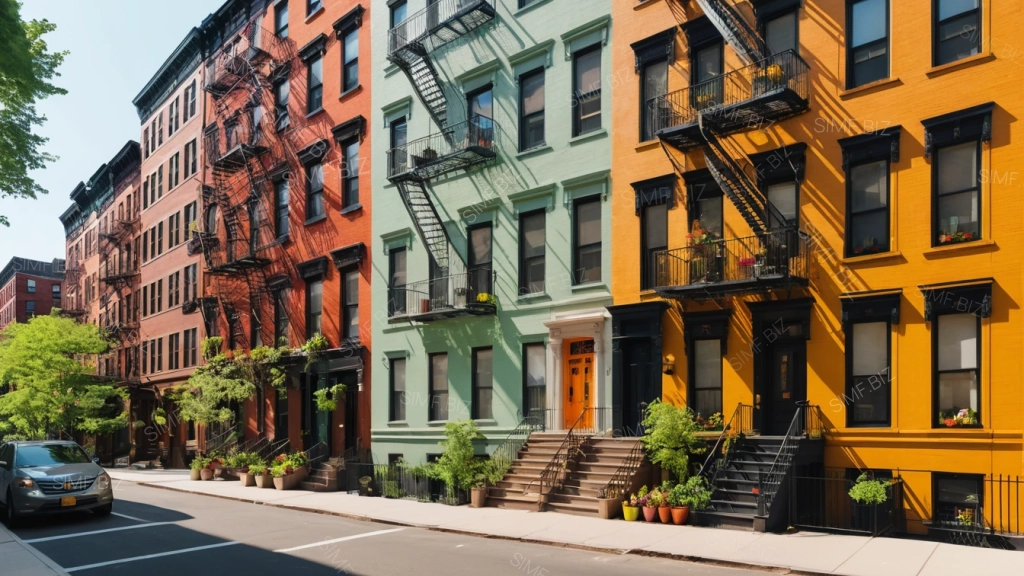
In New York City, two apartments can look identical — same street, same size, same layout — yet operate under completely different rules. The reason is simple: rent-stabilized and market-rate apartments follow different systems, and understanding the difference can change how much you pay and how secure your housing feels.
Here’s a clear, practical breakdown of what sets them apart.
A rent-stabilized apartment follows special rules that limit how rent can change over time and give tenants stronger long-term protections.
Key characteristics:
rent increases are controlled and usually predictable
lease renewals are expected, not optional
tenants often have stronger rights if issues arise
These apartments are designed to provide stability, not short-term flexibility.
Market-rate apartments operate under standard private rental rules. Prices are driven by demand, not regulation.
Typical features:
rent is set freely by the owner
increases can be significant at renewal
lease renewal is not guaranteed
pricing can change quickly with the market
Market-rate units offer flexibility, but less long-term certainty.
This is often the biggest difference renters feel.
Rent-stabilized:
Rent increases tend to be smaller and more controlled. While rent can go up, changes are usually gradual and easier to plan for.
Market-rate:
Rent can jump sharply at renewal, especially in popular neighborhoods or strong markets. Today’s “great deal” can become next year’s surprise.
Rent-stabilized apartments usually come with an expectation of renewal, giving tenants a sense of housing continuity.
Market-rate apartments offer renewals at the owner’s discretion. Even good tenants may face non-renewal or major rent changes.
If long-term security matters to you, this difference is critical.
Rent-stabilized units:
are limited in number
often stay occupied longer
can be harder to find
Market-rate units:
make up most listings
turn over more frequently
dominate online searches
This is why many renters encounter market-rate apartments first — even if rent-stabilized units exist nearby.
Rent-stabilized apartments are ideal for renters who:
plan to stay long-term
value predictable costs
prefer housing stability
Market-rate apartments may suit renters who:
expect to move within a year or two
want newer buildings or amenities
are comfortable with price changes
Neither is “better” — it depends on your priorities.
Ask yourself:
Do I want long-term stability or short-term flexibility?
Can my budget handle unpredictable increases?
Am I choosing a home or a temporary base?
Understanding the apartment type before signing a lease helps avoid frustration later.
Rent-stabilized and market-rate apartments reflect two very different rental philosophies. One prioritizes predictability and protection; the other follows market movement and flexibility. In NYC, knowing which one you’re choosing is just as important as the apartment itself — because the rules shape your experience long after move-in day.

 English (US)
 Spanish