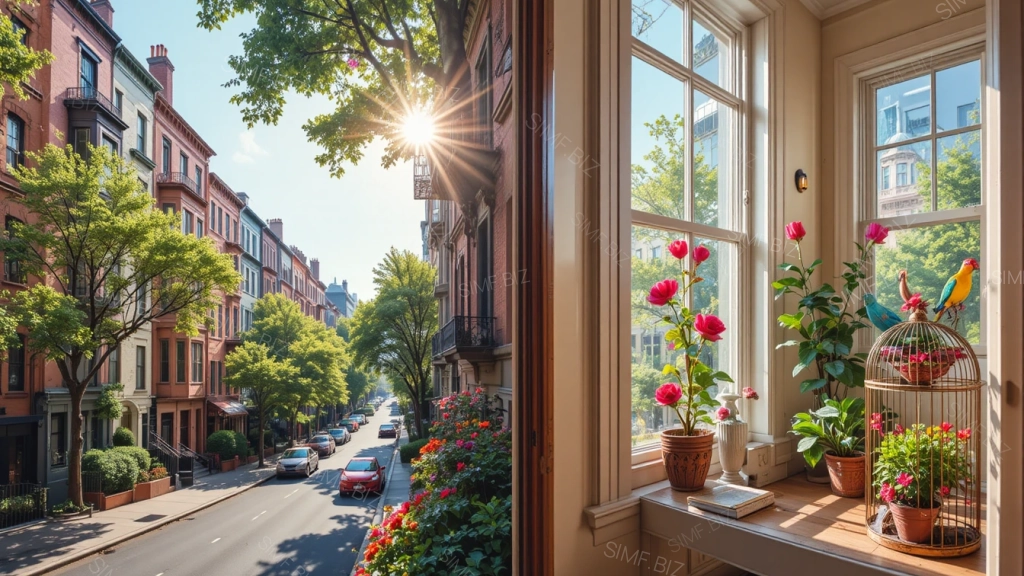
Photos are often the first — and sometimes only — reason a renter clicks on a listing. In New York City’s competitive market, images can make an average apartment look exceptional or hide serious flaws. While not every imperfect photo is intentional, misleading images are common enough that renters should know how to spot them.
Here’s how to read listing photos critically and protect yourself from disappointment.
Apartments move fast, and listings compete for attention. Photos are used to:
attract as many inquiries as possible
make small spaces feel larger
highlight strengths while hiding weaknesses
The goal isn’t always deception — it’s persuasion. Still, renters need to read between the pixels.
One of the most common techniques.
Signs of heavy wide-angle use:
rooms look unusually stretched
furniture appears far smaller than expected
walls curve slightly at the edges
Wide-angle lenses can make a narrow room look spacious, but the real size is often much tighter.
If every photo is shot from:
extreme corners
doorways
ceiling height
…it usually means there’s little usable space elsewhere in the room.
Ask yourself: Why aren’t there photos from the center of the room?
Be cautious when listings:
show the same room from multiple angles
omit the bathroom or kitchen entirely
avoid showing closets or hallways
Missing photos often point to areas that don’t photograph well.
Lighting can dramatically change perception.
Watch for:
overly bright, blown-out windows
strong artificial lighting masking shadows
sunset lighting that warms everything unnaturally
Poor natural light is one of the most common hidden issues in NYC apartments.
Minimal or oversized staging can be misleading.
Examples:
tiny furniture that makes rooms feel larger
no furniture at all, hiding layout problems
décor blocking awkward corners
An empty room isn’t always flexible — sometimes it’s just awkward.
Some listings rely heavily on:
neighborhood shots
building exteriors
rooftop or lobby images
While useful, these don’t replace clear apartment photos. If interiors are scarce, proceed carefully.
Listings sometimes use:
photos from previous years
images taken before renovations (or deterioration)
staged photos that no longer match reality
If finishes or appliances look inconsistent across images, ask for clarification.
Even honest photos can’t reveal:
street noise
smells
building maintenance quality
actual room flow
That’s why photos should be a filter — not a final decision.
Smart strategies:
compare photos to floor plans if available
ask for a short video walkthrough
confirm room dimensions in writing
never rely on photos alone
Seeing the apartment — or at least a real-time walkthrough — is essential.
In NYC, photos sell apartments — not accuracy. Learning to spot misleading images helps you avoid wasted time, unrealistic expectations, and rushed decisions. When you treat listing photos as clues rather than promises, you gain control over your search and focus only on apartments that truly fit your needs.

 English (US)
 Spanish