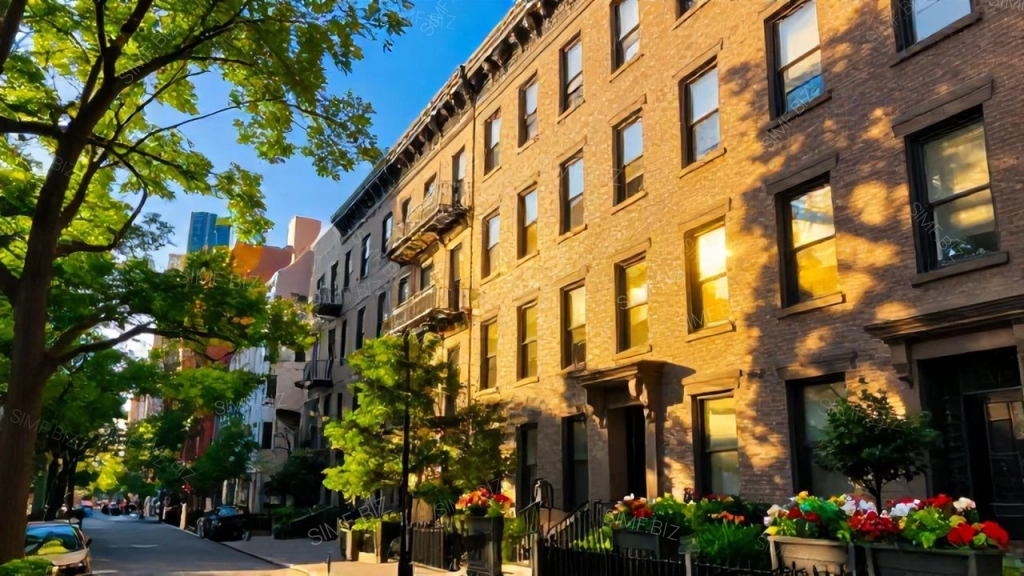
In New York City, natural light is one of the most underestimated factors when choosing an apartment. Photos can make spaces look bright, but real-life lighting often tells a different story.
A well-lit apartment can feel larger, more comfortable, and more inviting. Poor lighting can have the opposite effect — even in a good location.
Learning how to evaluate natural light helps you make smarter decisions.
Photos are often taken in ideal conditions.
They may include:
What looks bright online may feel very different in person.
Lighting changes throughout the day.
If possible, try to:
Timing gives context to what you see.
The direction windows face has a major impact.
For example:
Even small differences can affect daily living.
In NYC, nearby buildings can block light.
Pay attention to:
Close buildings often reduce sunlight significantly.
Light near the window is not enough — check how far it spreads.
Ask yourself:
A bright window doesn’t always mean a bright apartment.
Don’t assume all rooms receive the same light.
Check:
Some apartments have uneven lighting distribution.
If lights are already on during a daytime viewing, it may indicate limited natural light.
Turn them off briefly and observe the space naturally.
This reveals the true lighting condition.
Lighting affects more than visibility — it affects how the apartment feels.
A well-lit space often feels:
Trust your first impression.
Seeing multiple apartments helps you understand what good lighting looks like.
Platforms like SIMF Real Estate Platform, where browsing and listing apartments is free at https://simf.biz/, allow you to compare different layouts and exposures, making it easier to recognize strong natural light versus average or weak lighting.
Comparison builds perspective.
Seasonal changes also affect light.
Consider:
An apartment that feels bright now may change over time.
Natural light plays a bigger role than many renters expect. It influences comfort, mood, and even how spacious an apartment feels.
By checking direction, obstructions, and light distribution, you can evaluate a space more accurately. In NYC, small details often make a big difference — and lighting is one of the most important.

 English (US)
 Spanish