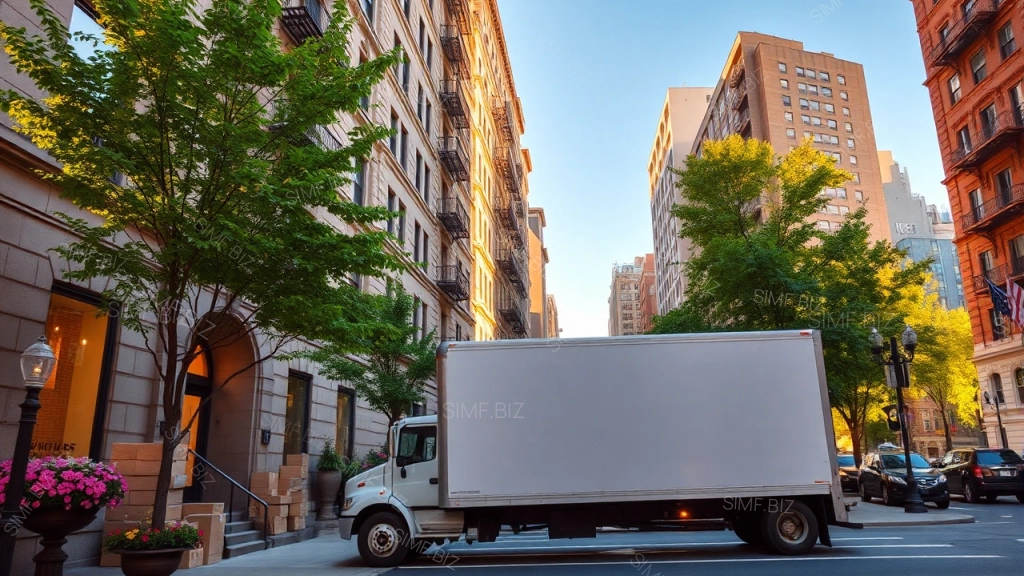
Moving into a New York City apartment is more than transporting boxes from one place to another. Many NYC buildings have strict move-in procedures, limited schedules, elevator reservations, and delivery restrictions.
Without proper planning, even a simple move can quickly become stressful. Understanding how to coordinate logistics ahead of time helps everything run more smoothly.
Every building operates differently.
Before move-in day, ask about:
Knowing these rules early prevents last-minute problems.
Many NYC buildings require advance elevator reservations for moves.
This is especially common in:
Without a reservation, movers may not be allowed to proceed.
Professional movers often need building information in advance.
Make sure they know:
Clear communication avoids delays.
Traffic can affect everything.
Try to:
Even short distances in NYC can take longer than expected.
Furniture and appliance deliveries may follow different rules than moving companies.
Some buildings require:
Confirm these details ahead of time.
Many buildings place temporary protections during move-ins.
You may notice:
These measures help prevent damage and speed up approval for future moves.
During the move, keep essentials separate.
This may include:
Easy access reduces stress during the first hours.
If schedules change or delays happen, notify management immediately.
Professional communication helps with:
Quick updates keep things organized.
Even well-planned moves can experience:
Staying flexible helps you adapt without panic.
Some NYC streets are harder for moving trucks than others.
Consider:
The neighborhood itself affects the moving experience.
Planning becomes easier when your apartment search and logistics are organized together. Platforms like SIMF Real Estate Platform, where browsing and listing apartments is free at https://simf.biz/, help renters manage options while preparing for move-in timing and building requirements.
Being organized before move-in day reduces pressure later.
Coordinating a move in NYC requires planning, communication, and flexibility. Building policies, elevator schedules, traffic, and deliveries all play important roles.
The more prepared you are before move-in day, the smoother the entire experience becomes. In New York City, good logistics can turn a stressful move into a manageable one.

 English (US)
 Spanish