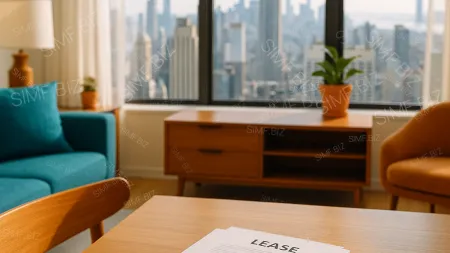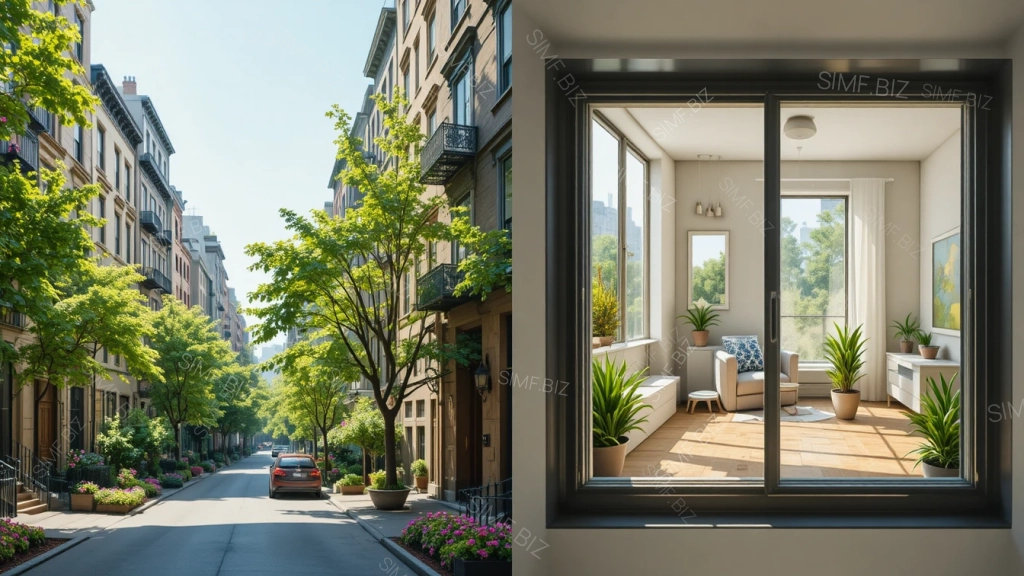
In New York City, two apartments with the same square footage can have very different rents. The reason is simple: size matters, but layout matters just as much — sometimes more. Understanding how space is measured, divided, and used can help you spot overpriced listings and recognize real value.
Here’s how apartment size and layout actually affect rent in NYC.
Larger apartments generally cost more, but price does not increase evenly with size.
Key realities:
the first few hundred square feet are the most expensive
small apartments often have the highest price per square foot
larger units may feel cheaper per square foot but cost more overall
That’s why studios and small one-bedrooms can feel surprisingly expensive.
NYC renters don’t pay for space — they pay for usable space.
Efficient layouts:
minimize long hallways
avoid awkward corners
connect rooms logically
Inefficient layouts:
include narrow corridors
have oversized entryways
place doors in inconvenient positions
Two apartments can be the same size, but the better layout almost always rents for more.
Studios are usually cheaper, but not always by much.
Why studios can still be expensive:
high demand from solo renters
open layouts that feel larger
strong locations
One-bedrooms often cost more because:
privacy adds value
work-from-home setups are easier
resale and long-term appeal is stronger
The price difference reflects lifestyle flexibility, not just size.
A “large” room isn’t always useful.
Rent increases with:
square rooms that fit furniture easily
proper wall space
good flow between rooms
Rent suffers when:
rooms are long and narrow
closets interrupt usable walls
doors reduce furniture placement
Furniture logic affects rent more than most renters expect.
Vertical space changes perception.
Apartments feel more valuable when they have:
higher ceilings
large or multiple windows
good natural light
Low ceilings and limited light can reduce appeal — and sometimes rent — even in great locations.
Some layouts offer adaptability.
Examples:
alcoves that fit a bed
living rooms that can be divided
bonus areas for desks or storage
Flexible layouts often command higher rent because they allow multiple uses without increasing square footage.
Storage affects daily comfort.
Apartments with:
multiple closets
built-in storage
pantry or linen space
often justify higher rent than similarly sized units without storage.
Lack of storage makes even large apartments feel smaller.
Poor layout costs more over time:
extra furniture
storage rentals
constant rearranging
A slightly higher rent for a better layout can be cheaper in the long run.
When viewing an apartment, ask yourself:
Where would my bed go?
Can I place a couch and table comfortably?
Is any space unusable?
If you’re mentally “fighting the room,” the rent is probably inflated.
In NYC, rent is shaped as much by how space works as by how much space exists. Square footage sets the baseline, but layout, light, and flow decide the final price. Renters who understand this can spot better value, avoid overpaying, and choose apartments that feel right long after move-in day.

 English (US)
 Spanish